Some links on this page are affiliate links; if you book through them we may earn a commission at no extra cost to you. How it works
Porto has a huge supply of short-term rentals, many in restored granite townhouses in and around the historic centre, alongside a growing list of boutique and luxury hotels. Both can be excellent. The right choice depends less on budget than on who is traveling, how long you are staying, and how you feel about stairs.
This guide is the companion to our where to stay comparison: that page helps you pick the area; this one helps you pick the type of place within it.
01The quick answer
| Choose… | If you are… | Watch out for |
|---|---|---|
| A hotel | On a short trip of one to three nights; a couple; arriving late; wanting a lift, daily cleaning and a concierge | Small rooms in historic buildings; noise from bar streets |
| An apartment | A family or group; staying four nights or more; cooking some meals; wanting a washing machine or a living room | Stairs without a lift; self check-in; cleaning fees |
| An aparthotel | Wanting a kitchen and a reception desk | Fewer hotel services than a full hotel |
02The case for a hotel
Porto’s centre is built on a slope, in old buildings with narrow staircases. A good hotel solves the problems that this creates: there is a lift, someone takes your bags, the taxi knows where to stop, and if the air conditioning fails at midnight, someone fixes it. Hotels are also better at the small luxuries that matter on a short break, such as breakfast, a bar, a spa, and help booking a Port tasting or a Douro day.
The weaknesses are space and character. Rooms in converted townhouses can be small, and a standard room may face an inner courtyard. If the view matters, book the room category that guarantees it.
03The case for an apartment
For families, groups and longer stays, an apartment changes the rhythm of a trip. You can buy bread, cheese and fruit at the Bolhão market and eat breakfast on your own schedule, do a wash halfway through a week, and spread out in a living room instead of perching on the end of a bed. Two or three bedrooms often cost less than the equivalent hotel rooms.
The weaknesses are practical. Many apartments are on upper floors of buildings without lifts; check-in may be a key box rather than a person; cleaning fees and the tourist tax can make short stays poor value; and if something breaks, help is a message away rather than a phone call to a desk. Quality varies far more than between hotels, so reviews matter more.
04Which neighbourhoods suit rentals
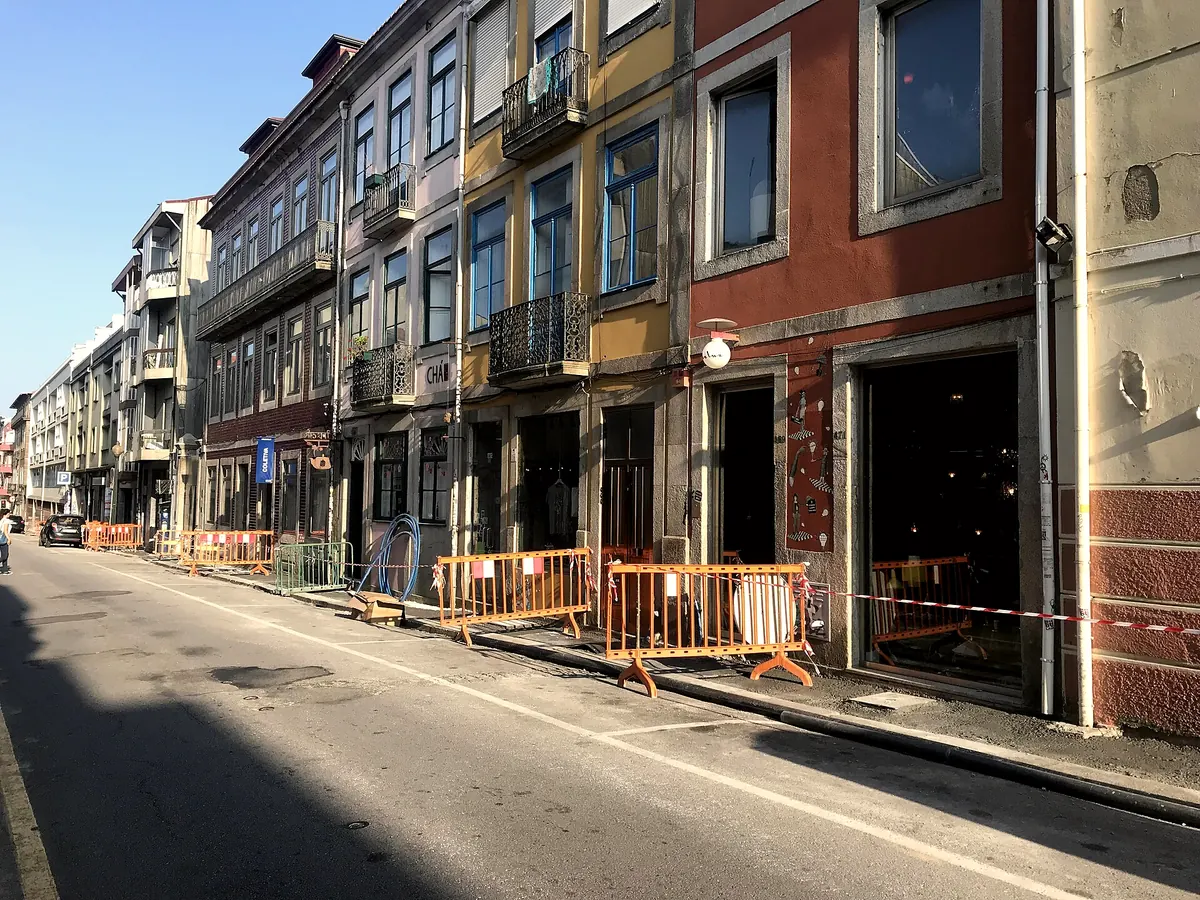
- Baixa and Cedofeita. The best all-round choice for an apartment: flatter streets, supermarkets and the market nearby, metro and taxis close, and a huge choice of cafés and restaurants. See our Cedofeita guide.
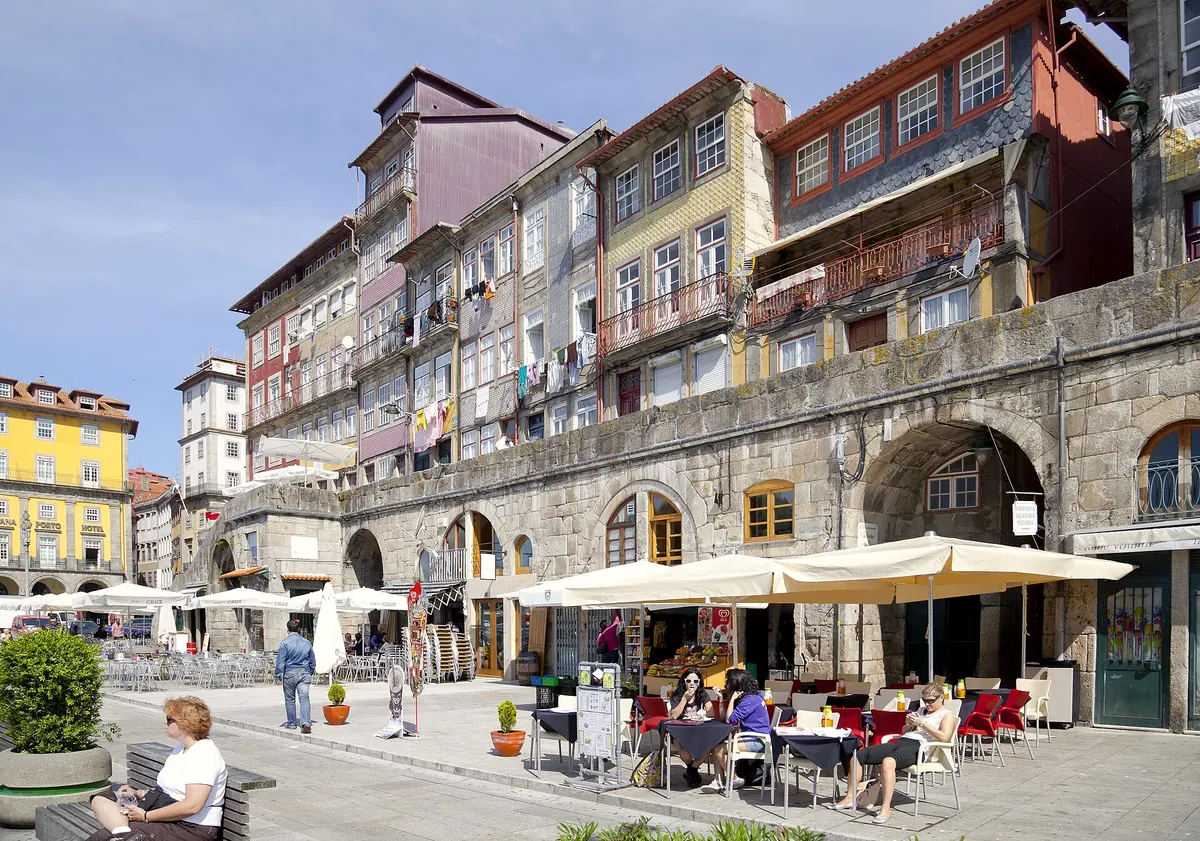
- Ribeira and the historic centre. Atmospheric, but the worst place to carry shopping and suitcases up four flights of stone stairs, and lively late at night. Fine for a couple who travels light; hard for families.
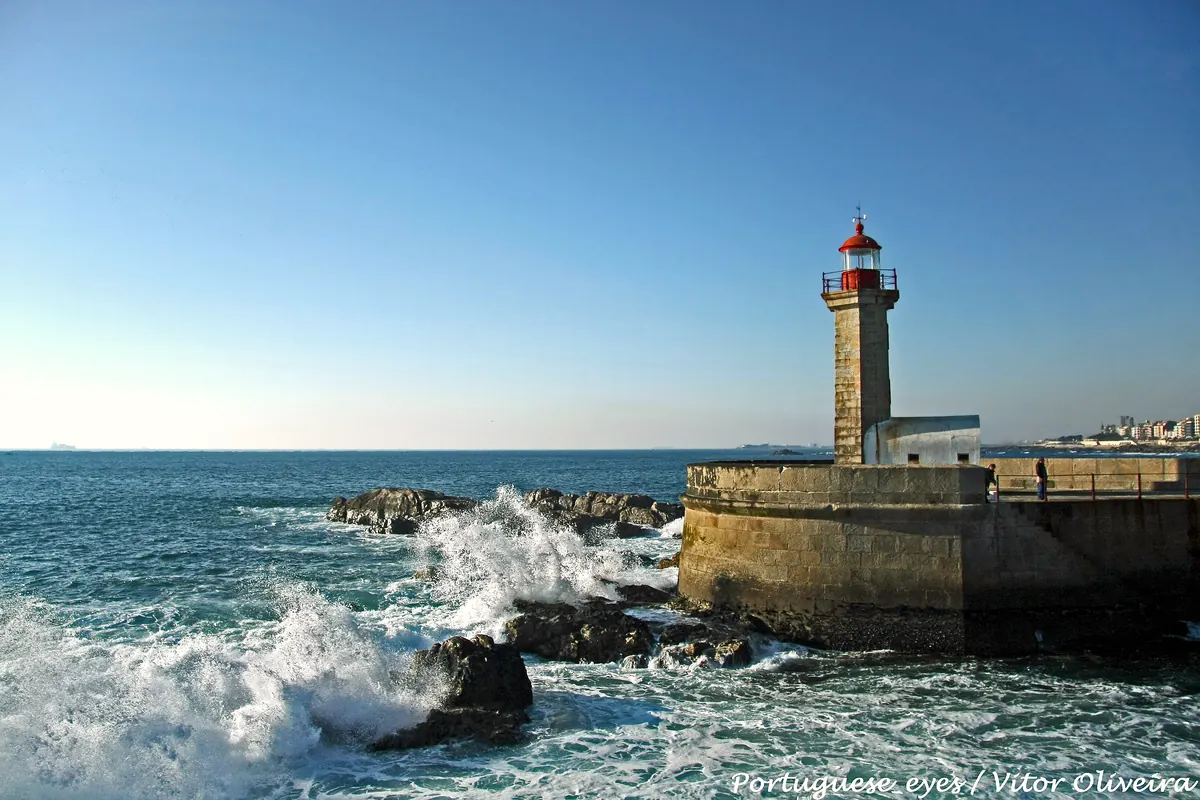
- Foz do Douro. Ideal for a slower week by the sea, with promenades and quiet nights. Larger apartments and family homes are easier to find here, and you will use taxis or the bus to reach the centre. See the Foz guide.
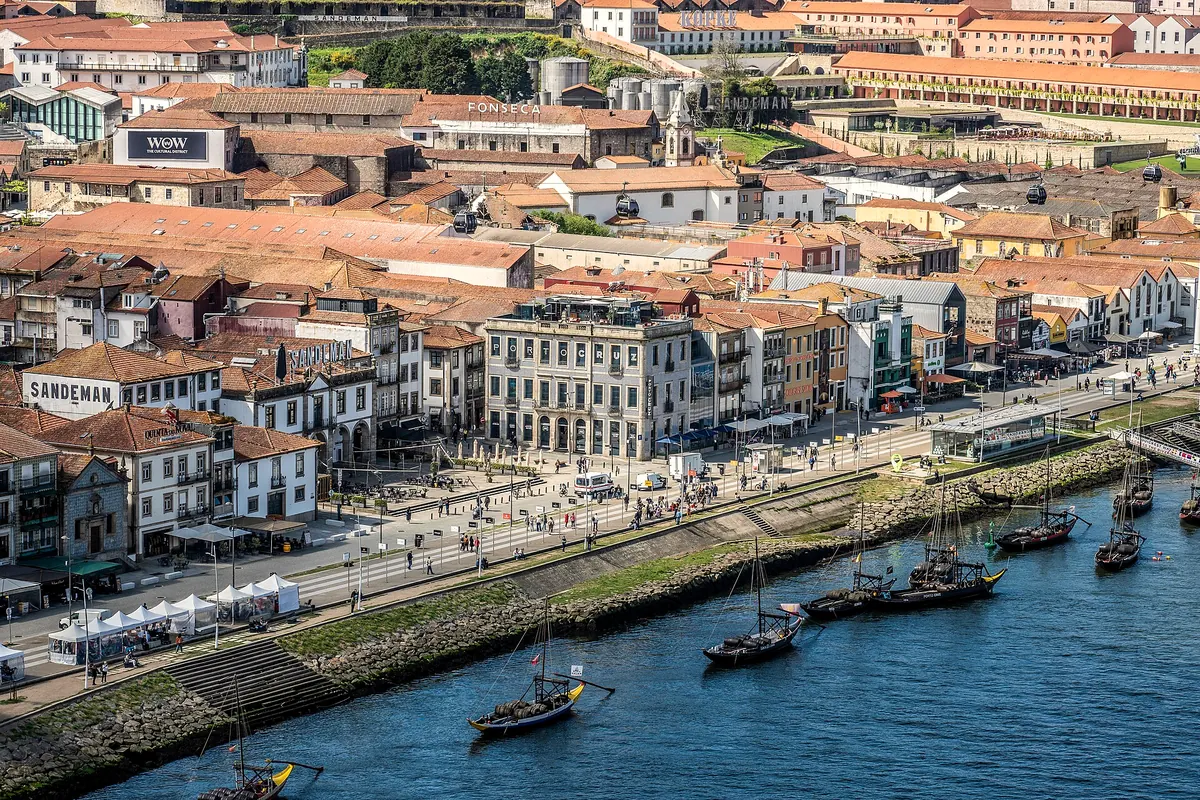
- Vila Nova de Gaia. Apartments with the classic view of Porto exist on the riverfront, but the hill behind it is steep; check exactly where the building is.
- Boavista. More modern buildings, so lifts and parking are more common, which helps if you are driving to the Douro.
05Porto’s rental rules, in brief
In Portugal, short-term rentals are licensed as alojamento local (local accommodation). Every legal property is registered, and the law requires its registration number to appear in its advertising, so look for it on the listing. It is a quick signal that the place is operating legally.
Porto, like Lisbon, has tightened its rules in response to housing pressure. Its municipal regulation divides the city into areas: in five historic-centre parishes (Vitória, São Nicolau, Sé, Santo Ildefonso and Miragaia) no new registrations are being authorised, and elsewhere new registrations are capped. For a visitor this changes little, since existing registered rentals continue to operate, but it is part of why many residents have mixed feelings about the trade. Choosing a well-run, registered place, keeping noise down on shared staircases and sorting your recycling are simple courtesies that matter.
The municipal tourist tax applies whichever you choose: €3 per guest aged 13 and over, per night, for up to seven nights in Porto (Gaia charges the same from age 16). Hotels usually collect it at the property; Airbnb adds Porto’s tax to the reservation.
06Checklist before you book a rental
- Floor and lift. Ask which floor the apartment is on and whether the building has a lift. “Third floor” in an old Porto house can mean 70 steps.
- The map pin. Check the exact location, not the neighbourhood name in the title. Note the gradient between the door and the nearest metro or taxi stop.
- Noise. Read reviews for bars, nightlife streets and early deliveries. Ask whether bedroom windows face the street.
- Air conditioning and heating. Summer heat and damp winters are both real; not every old building has either.
- Check-in. Find out whether someone meets you, and what happens if your flight lands late.
- Total price. Compare the full amount, including cleaning fees, service fees and tourist tax, with a hotel for the same nights.
- Cancellation policy. Rentals are often stricter than hotels. Match the policy to how fixed your plans are.
- Registration number. Look for the alojamento local number on the listing.
- Parking. If you are driving, confirm where; parking in the centre is scarce and some lanes are closed to cars.
On a week-long trip, try a hotel in the centre for the first two or three nights, then an apartment in Foz or Cedofeita. You get the easy arrival and the slower second half.
07Aparthotels and serviced apartments
Between the two sits a useful middle ground: aparthotels and serviced apartments with a kitchen and a staffed reception, often with a lift and cleaning during the stay. They are a good fit for families who want hotel-style support with room to spread out. Search for “apartment-hotel” or check whether a listing has a 24-hour front desk.
If you would rather start with named hotels, our where to stay guide has a four-hotel shortlist across Ribeira, the Baixa, Gaia and Foz, with facts taken from each hotel’s own website.
QuestionsFrequently asked
Is it better to stay in an Airbnb or a hotel in Porto?
For one to three nights, a hotel is usually easier: lifts, luggage help and a front desk matter in a steep city. For families, groups and stays of four nights or more, an apartment often gives better space and value.
Do short-term rentals in Porto pay the tourist tax?
Yes. The €3 per person per night tourist tax (13 and over, up to 7 nights) applies to tourist accommodation, and Airbnb collects it for Porto stays.
Are short-term rentals legal in Porto?
Yes, when registered as alojamento local. Porto now caps new registrations, but existing registered rentals operate normally. Look for the registration number on the listing.
Photos on this page come from Wikimedia Commons photographers and are credited under each image.